


Microbial Science Applied to Agricultural Productivity
MICROBIOLOGY

MICROORGANISMS
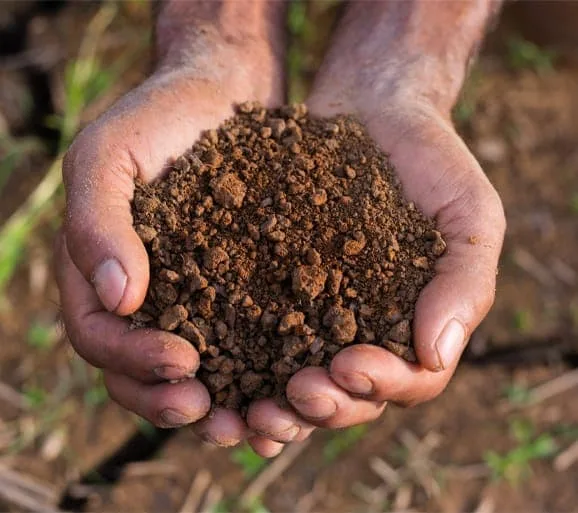
Microorganisms are fundamental components of ecosystems and play an active role in natural processes related to soil fertility, nutrient transformation, and biological dynamics, thereby supporting efficient, sustainable crop nutrition.

MICROBIAL INTERACTIONS
In the soil, microorganisms form complex networks of interactions that contribute to the biological functioning of the ecosystem. These interactions include:
ALIBIO'S APPROACH
At Alibio, our mission is to reconnect the network of microorganisms with the ecosystems. We achieve this by providing a diverse mixture of microorganisms to restore the environmental balance.
OUR PROCESS
At Alibio, our mission is to reconnect the network of microorganisms with the ecosystems. We achieve this by providing a diverse mixture of microorganisms to restore the environmental balance.
We select
We select microorganisms from our laboratory generating a special value to agriculture.
We analyze
With the most advanced technology, we analyze the DNA and functions of each microorganism to fully understand its potential.
We assemble
We assemble our microbial consortia in such a way that the microorganisms complement each other.
We test
Our inputs undergo rigorous laboratory and field tests to offer a real master tool to improve the productivity of your crops.
Key factors
1
Weekly applications
2
Microbe system
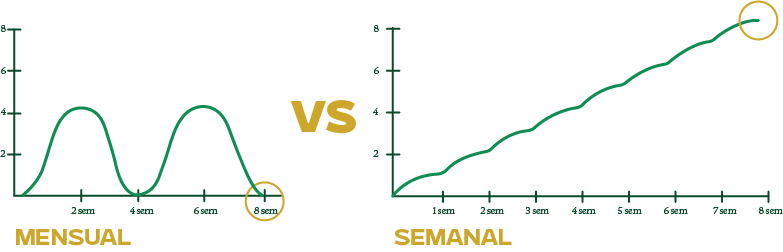
Weekly applications - protocol
Weekly applications maintain a constant growth of beneficial microorganisms that help plants. Counter to monthly applications, which start with a strong growth, they decline at the end of the month.
MICROBE SYSTEM (Functional Redundancy)
Unlike an individual strain, a microbial system has a wide variety of lines of action, a high level of survival, constant activity and most importantly, a phenomenon called functional redundancy is created.
MICROBE SYSTEM
Advantages of the microbial system with a strain diversity and functional redundancy
INDIVIDUAL STRAIN

Disadvantages of a single-strain product
Contact Us
Help us improve
Whether it's a compliment, a suggestion, or something that didn't go as planned, your message helps us provide you with better service.

AliBio ·Transforming the countryside with science and microbial diversity




© 2026 AliBio. All rights reserved